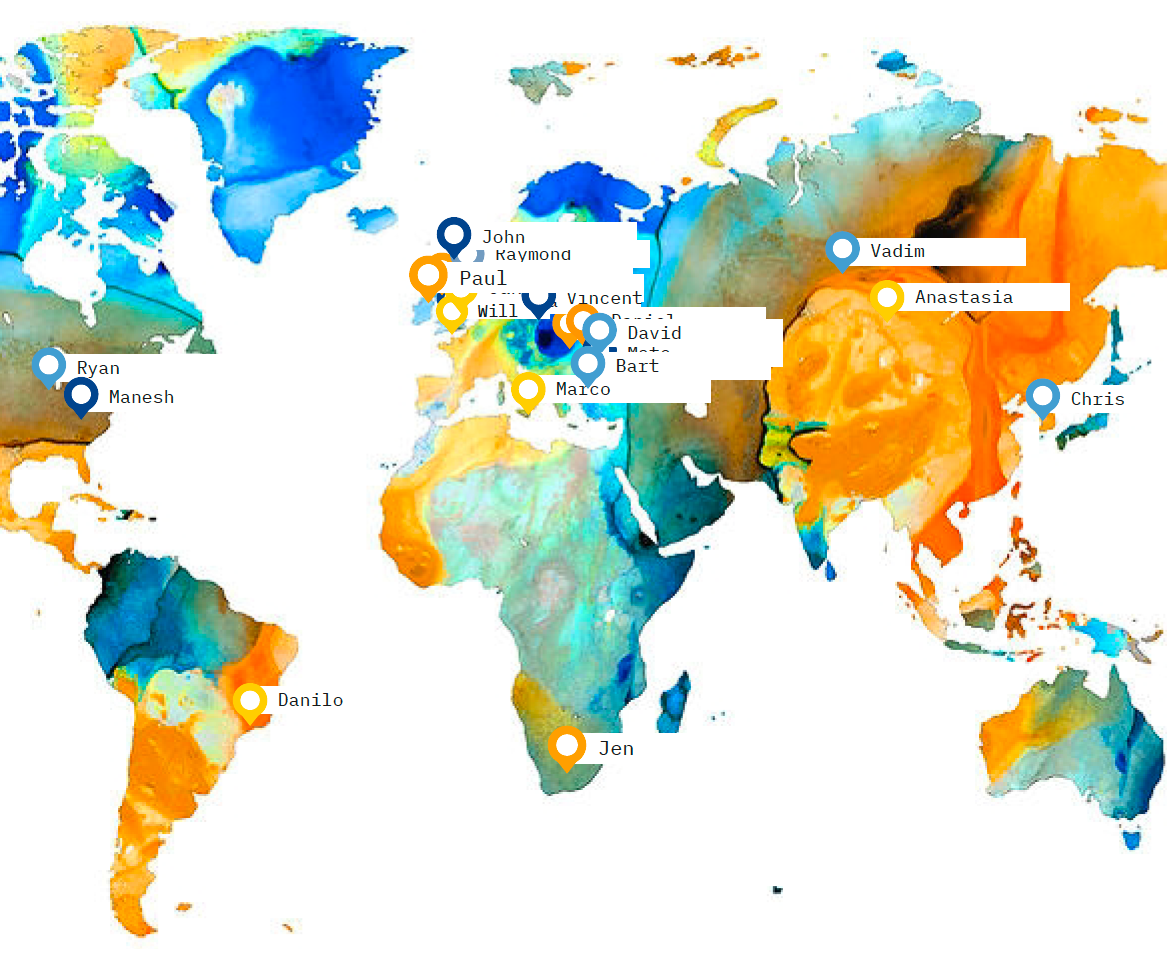
15+ years leading teams globally in startups, corporates and agencies.
A few of my core principles:
Uncover what matters
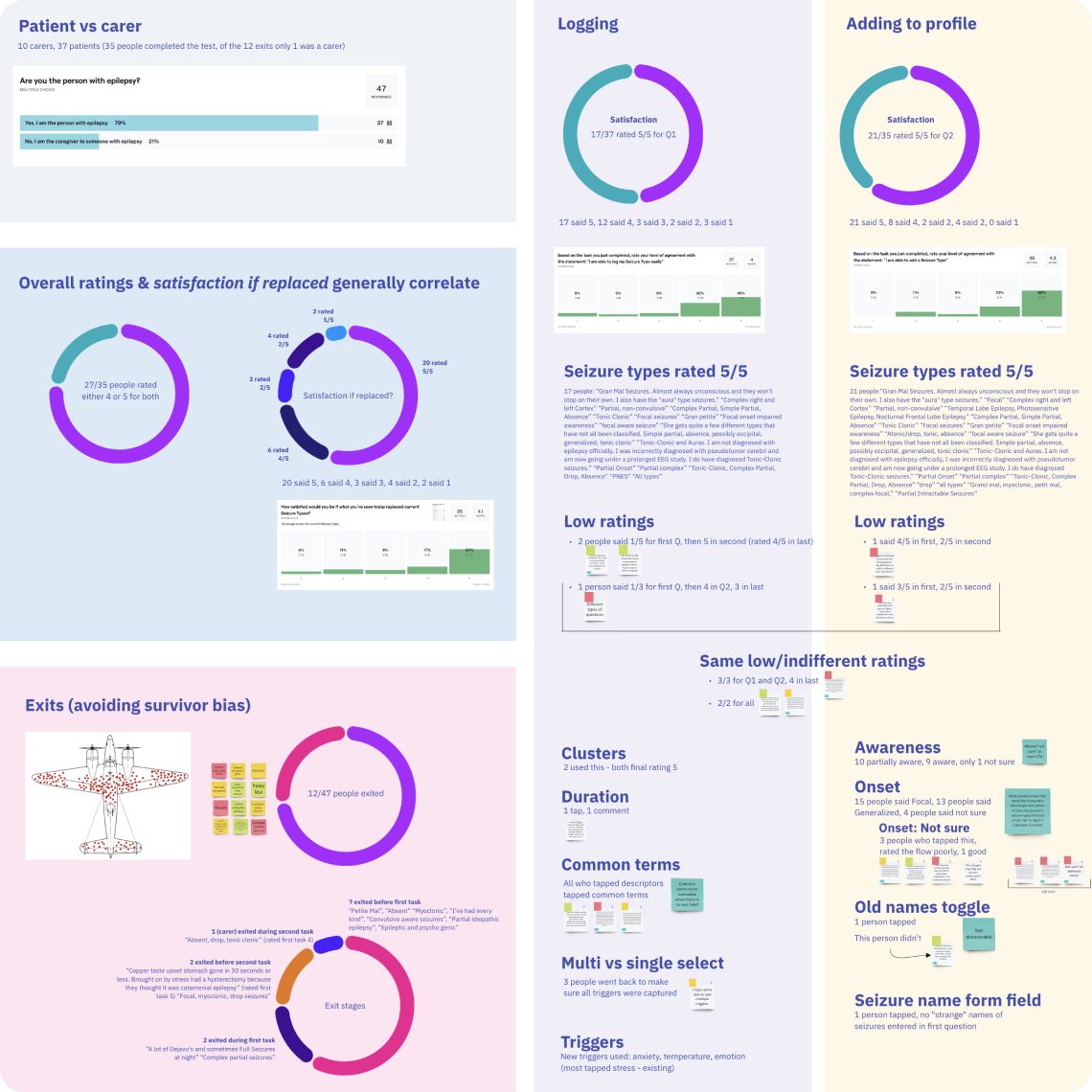
I’m a strong advocate for the Continuous Discovery, a methodology developed by Teresa Torres. It keeps my team close to our users – always learning, listening to their stories, and identifying real pain points we can turn into meaningful solutions. Depending on the research quesiton, stories are told via a mix of methods across attitudinal, behavioural, qualitative and quantitative research. I advocate for spending the most time in Discovery, especially as building has become cheaper. I also for everyone in the team to join user testing sessions because:
- We all need to hear the raw, unfiltered feedback – not just a summary from the design team or Claude – to stay objective.
- Feeling the user’s pain firsthand gives each of us more confidence and autonomy to make the right decisions in our work.
- More eyes and perspectives help us think beyond surface requests, and instead focus on solving the user’s actual needs.
Here’s a talk I gave at a conference about a time when I wasn’t continuously collecting research, and what went wrong:
Inclusivity from diversity
Inclusive design isn't an afterthought for me. It's the foundation from which everything else is built. My core belief is that when you design for the most constrained experience first, you end up with something that works better for everyone. That means designing for the minority, not just the majority, because every person deserves to feel considered. I think deeply about the different states a user might be in - cognitively, emotionally, physically - and ask whether the experience holds up across all of them. I also believe that accessible products start with accessible teams. Diverse perspectives in the room mean we are far more likely to catch what a homogenous team would miss. Within my organisation, I advocate for inclusive hiring and inclusive design together, because you cannot truly build for everyone if everyone is not represented in how you build.
Here’s a podcast I recorded with the Google Design Notes team, where we talk about Epsy’s winning entry for Motion in the Google Material Design Awards:
Coach bidirectionally
Hiring people I can learn from is just as important to me as hiring those eager to grow. And when they’re on board, two-way feedback is the only way this can manifest - I promote honest conversation and I want to hear if I improve in any practice, process or plan.
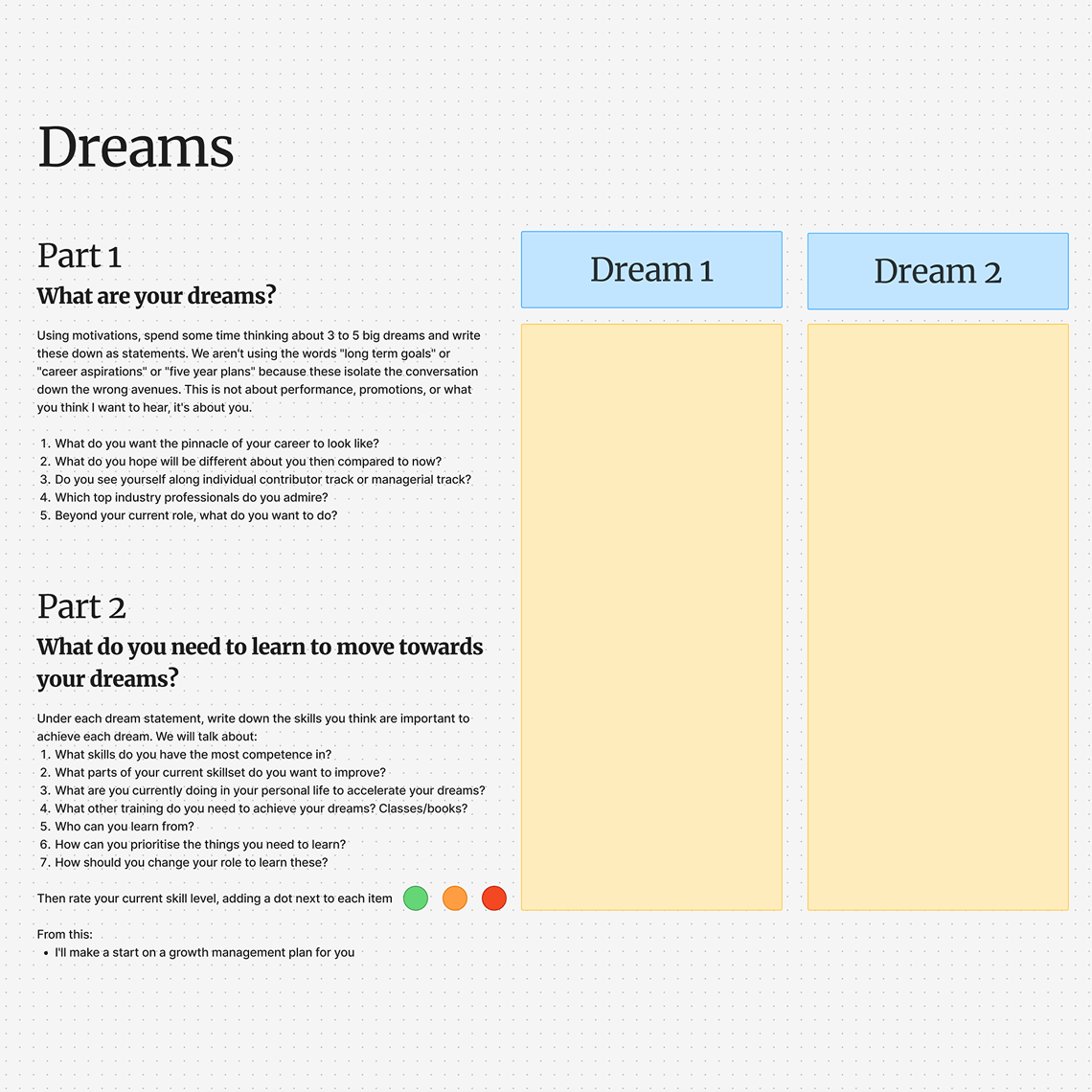
What drives me most is seeing people on my team succeed. I’m committed to helping them uncover their aspirations and carve a path toward achieving them. An exercise exercise I’ve found particularly impactful is called “Dreams”, which I adapted from a methodology in Kim Scott’s Radical Candor. I run this with new joiners over several sessions, exploring their motivations, long-term goals, and subsequently tailoring a growth plan. We revisit this quarterly, and I continuously coach them along the way.
For more insight into the kind of culture I build and how I work, take a look at some of the articles I’ve written: